
Cover: a battery's day around a twenty-four hour clock, midnight at the top. The band is how full it is: thinnest before sunrise, widest in the afternoon.
Let's get technicalNo. 10 · Storage3 min read
A battery, honestly.
What a home battery does, what it doesn't, and how to tell whether your home wants one.
01What it does
A battery moves energy through time. In the middle of the day your roof makes more than your home uses. Without a battery the spare goes to the grid for a small credit. With one, it's kept, and your home runs on it after the sun goes down.
That is the whole idea. Everything else about batteries is detail.
02Two numbers, not one
Every battery has two ratings, and people usually hear only the first. Capacity, in kilowatt-hours, is how much it holds. Power, in kilowatts, is how fast it can deliver it.
Capacity decides how long into the night it lasts. Power decides how much it can run at once. A battery with plenty of capacity and modest power will run a quiet house until morning, but will call on the grid when the oven, the dryer and the air conditioner are all going together.
Capacity is how long it lasts. Power is how much it can run at once.
03Sized for your nights
The right size is set by what your home uses between sunset and sunrise, and by what there is to fill it with. A battery larger than your nights sits partly unused. One that relies on the roof alone, and is larger than the roof's surplus, never fills in winter.
Most of the batteries we install are built in layers, so you can start with what your nights need and add a layer when your household changes.
04A second way to fill it
In Victoria a battery no longer has to wait for the roof. On the Midday Power Saver, an electricity offer households can sign up for, power from the grid costs nothing between 11 am and 2 pm every day, up to 24 kilowatt-hours. A battery set to charge in those hours takes what its inverter can carry in three of them, sun or no sun.
That matters most in winter, when a roof has little to spare, and it weakens the old case for a larger array just to keep a battery full in July. The offer has another side: prices outside the window may be higher. We've written about it separately.
05When it pays, and when it doesn't
A battery earns its keep on the difference between what you'd have been paid to export a kilowatt-hour and what you'd have paid to buy one back that evening. The more you use after dark, the more often it does that.
If a home uses very little at night, there isn't much for a battery to do, and it won't pay its way. When that's what your bill shows, we'll say so and leave it out of what we recommend. You can still add one. Some people simply want to run on their own power, and that's a perfectly good reason.
06Backup is a separate question
A battery does not automatically keep the lights on in a blackout. That takes a system designed for backup, and not every installation is. If it matters to you, say so early. We've written about it separately.
07Adding one later
You can add a battery to solar you already have. How neatly depends on what's on the wall now. Some inverters are ready for a battery and need only the battery itself. Others need a second inverter alongside.
If you're installing solar now and think a battery might follow, it costs little to choose an inverter that's ready for one.
08Where it lives
Safety standards govern where a battery can go: clear of certain rooms, windows and exits, and protected from being knocked. In a garage that often means a bollard in front of it. Shade and airflow help it too.
It's settled at the design stage, and it's one reason we ask to see where your switchboard is.
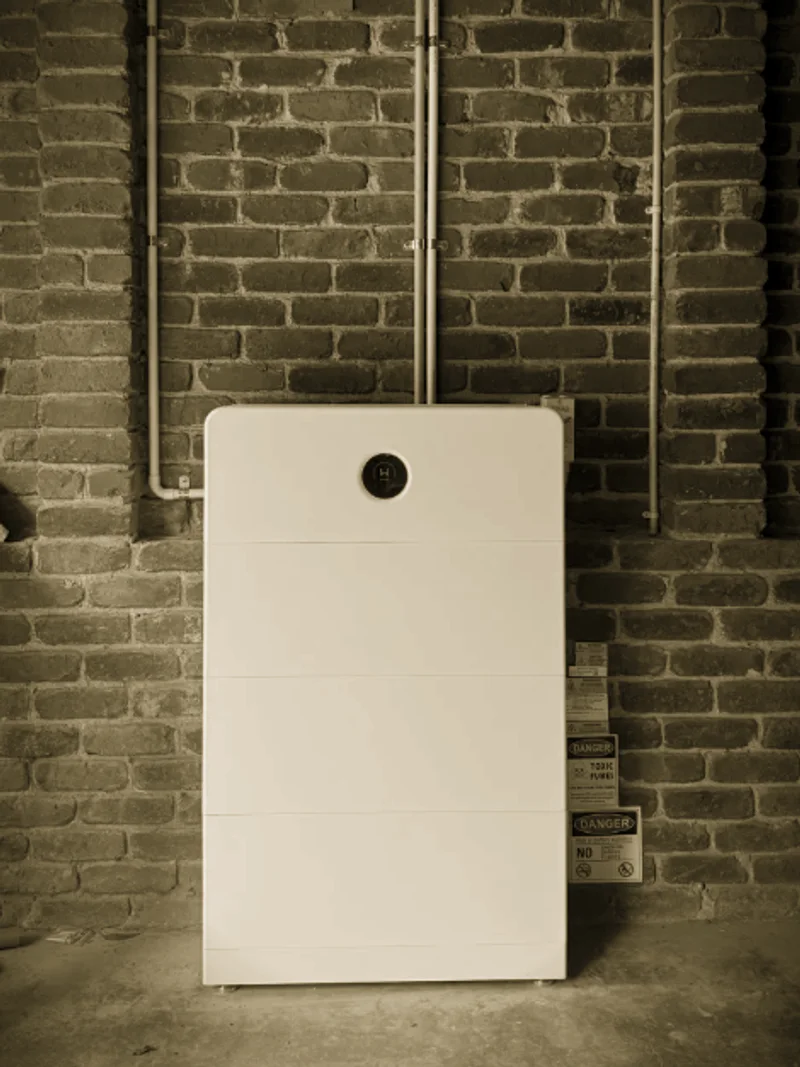
On the wall
Here are some we installed earlier.
Photographed on the job, not in a studio.
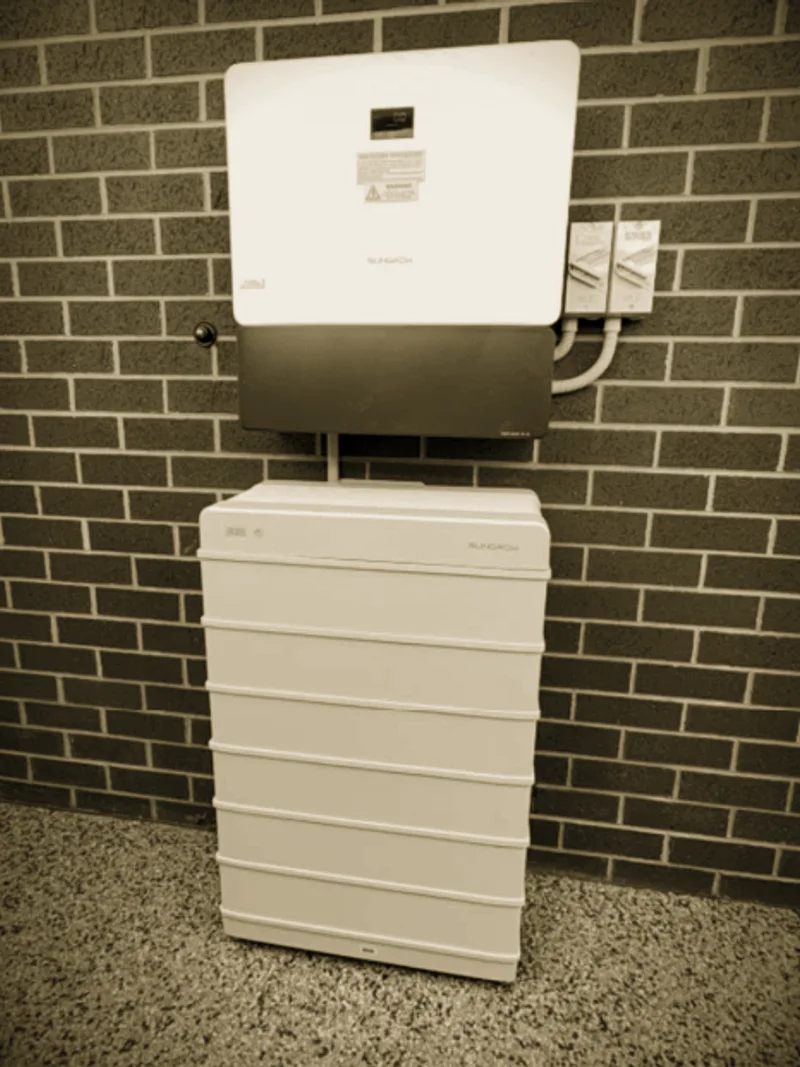
Sungrow
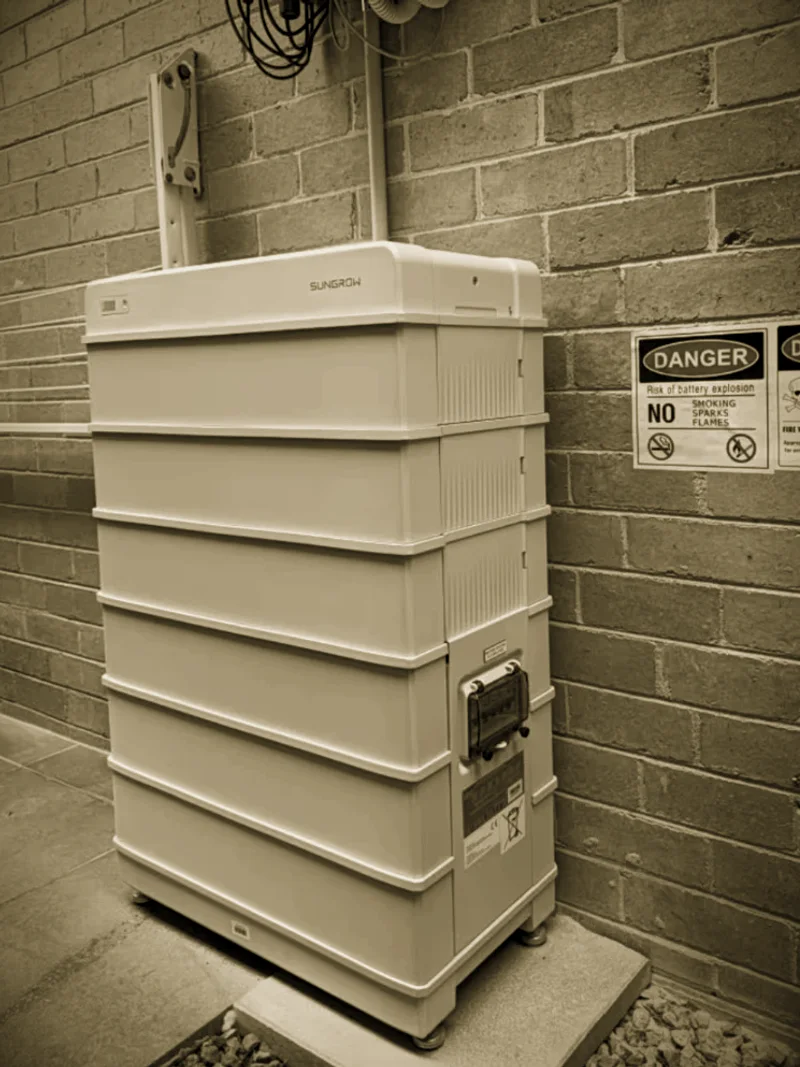
Sungrow
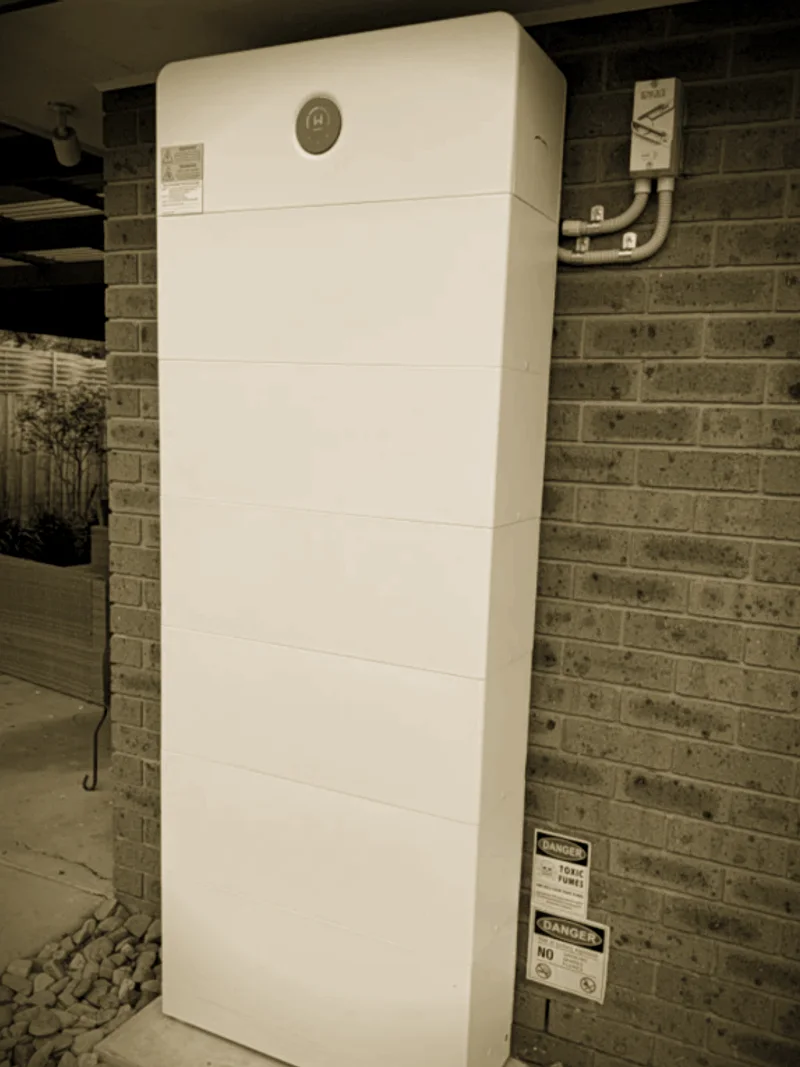
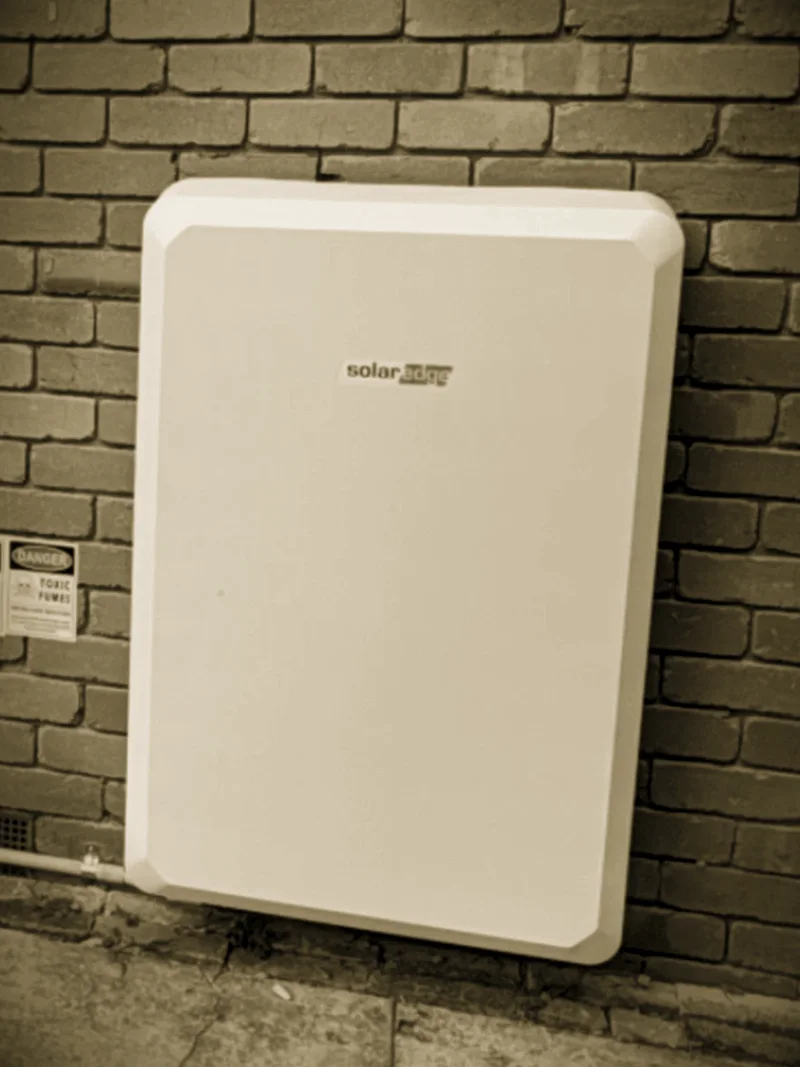
SolarEdge
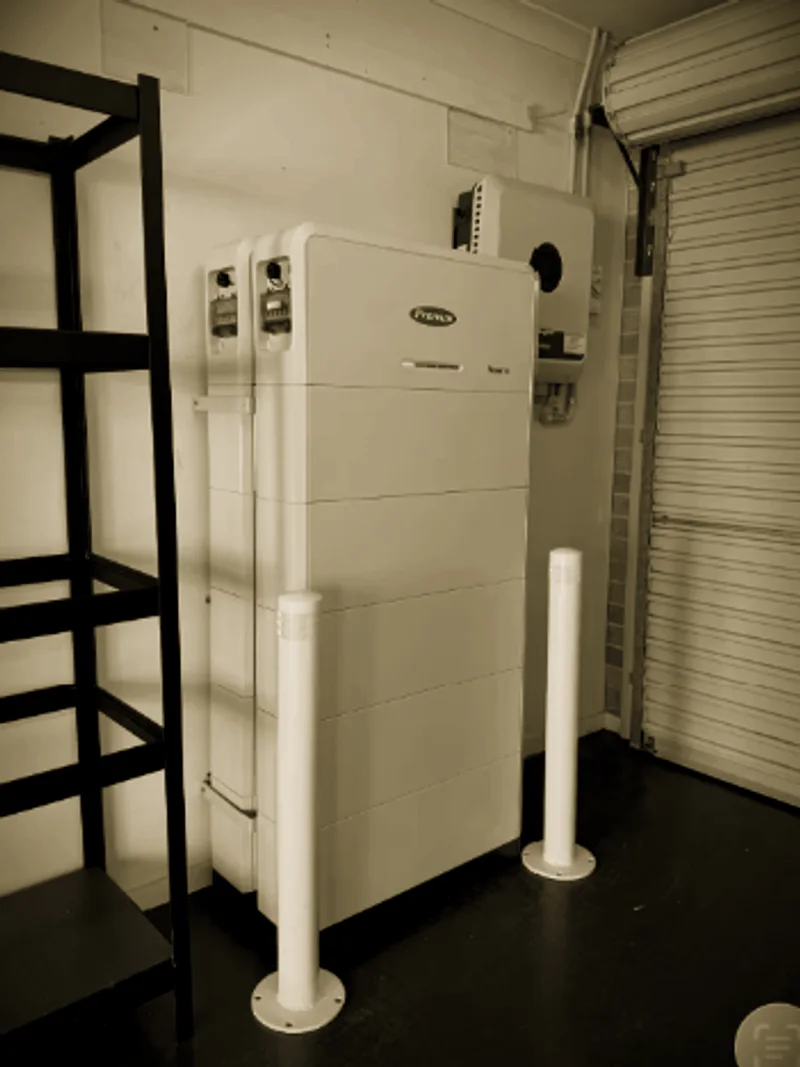
Fronius
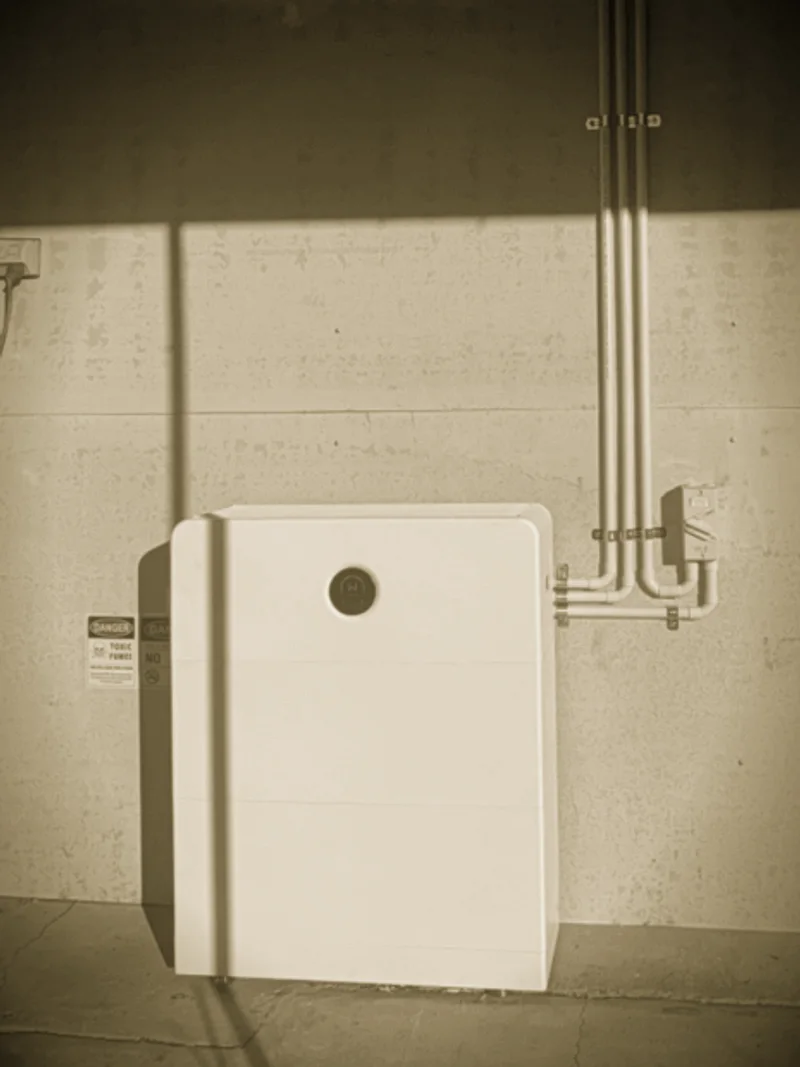
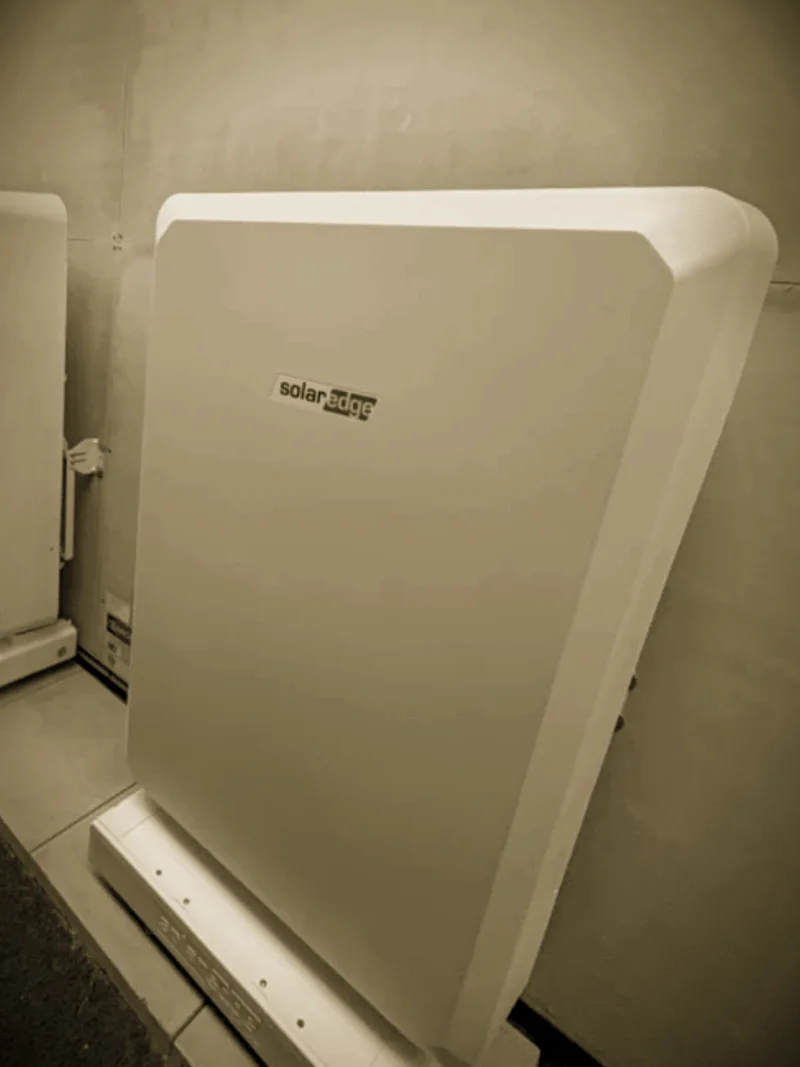
SolarEdge
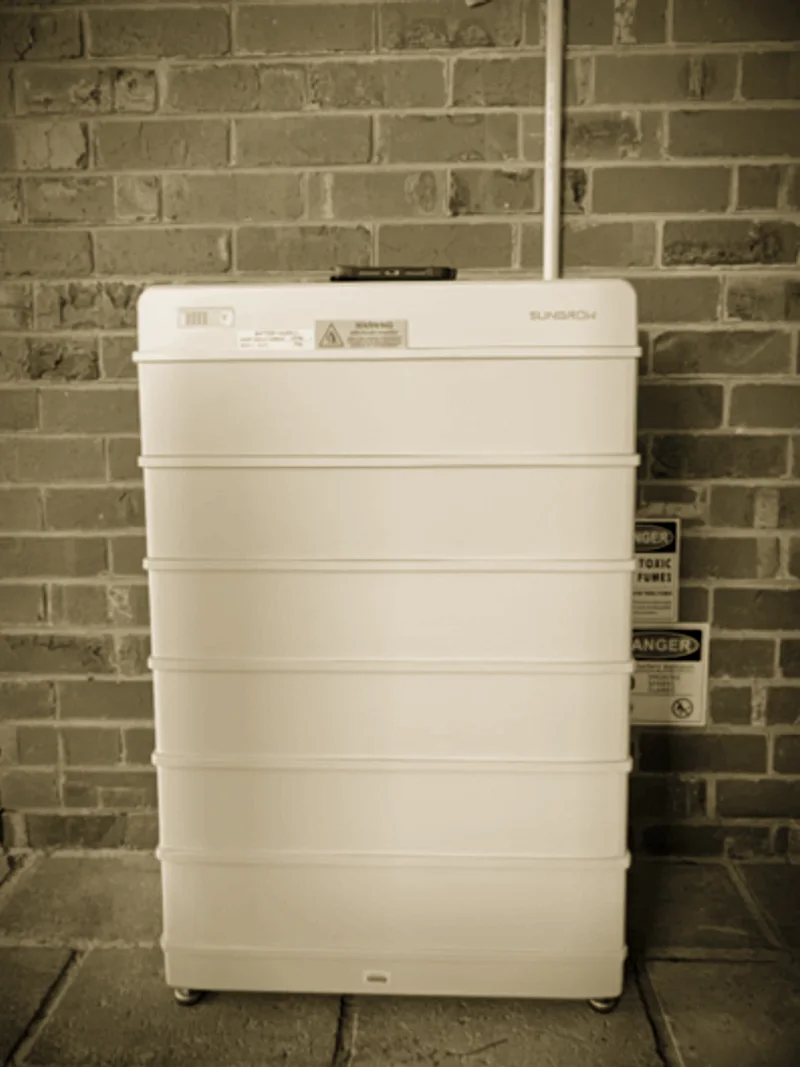
Sungrow
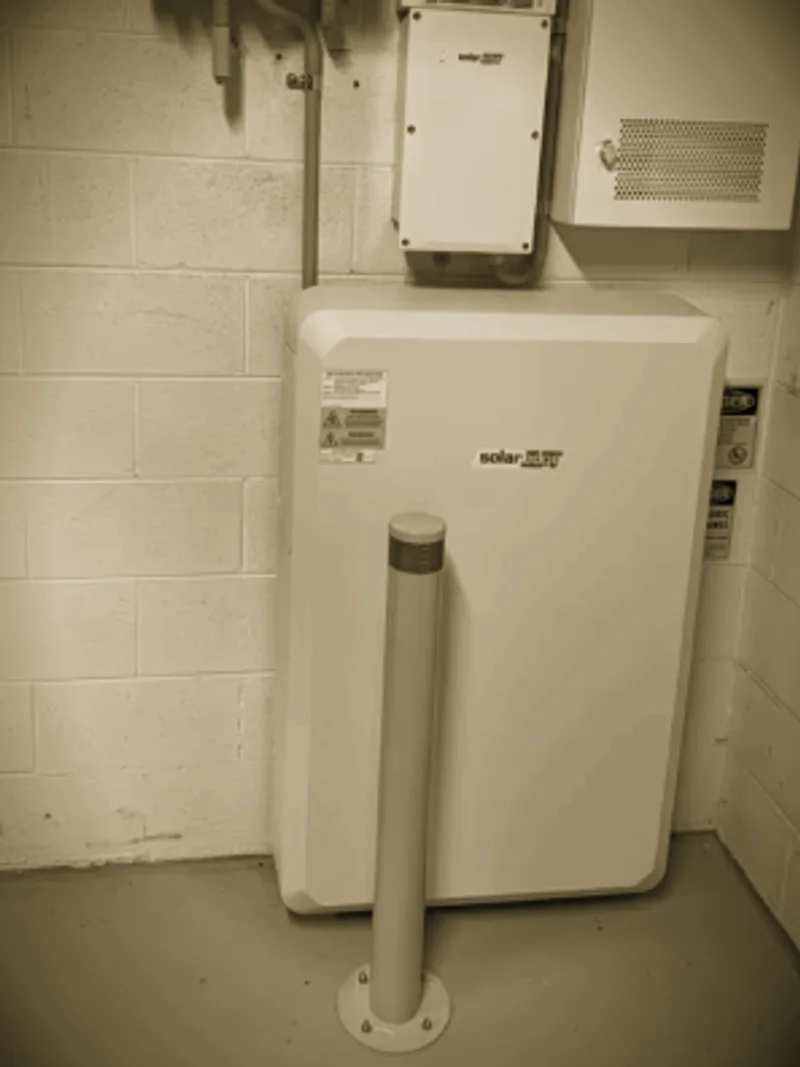
SolarEdge
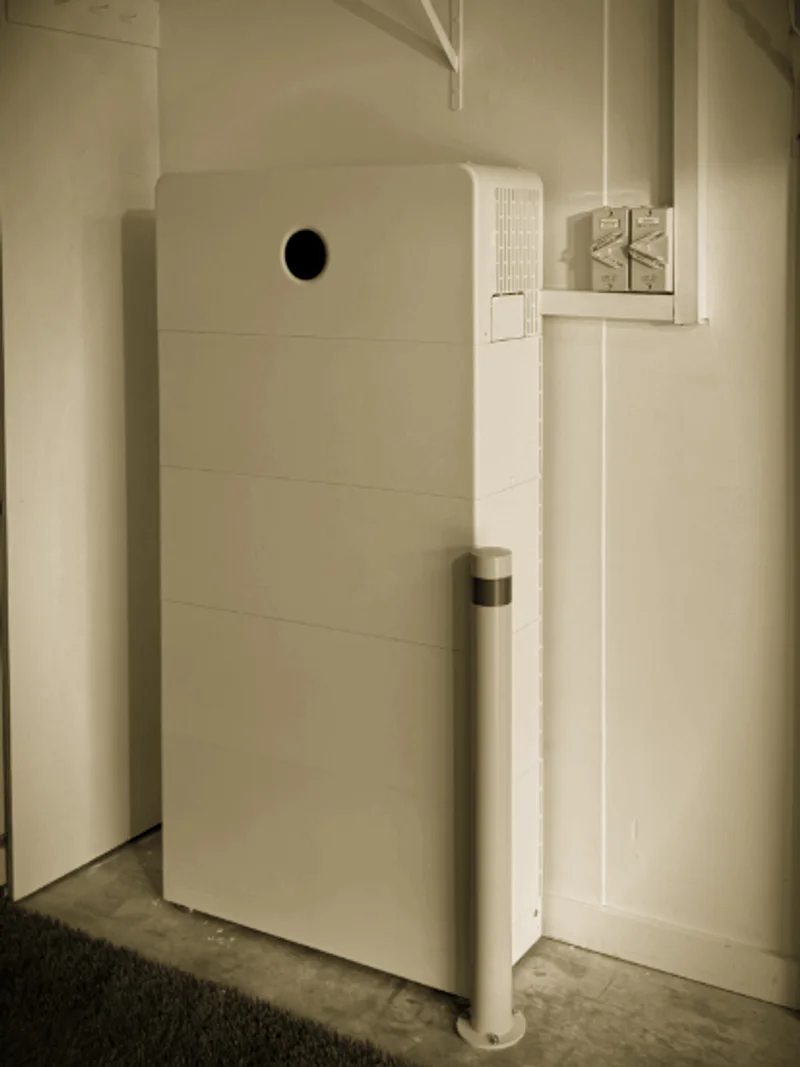
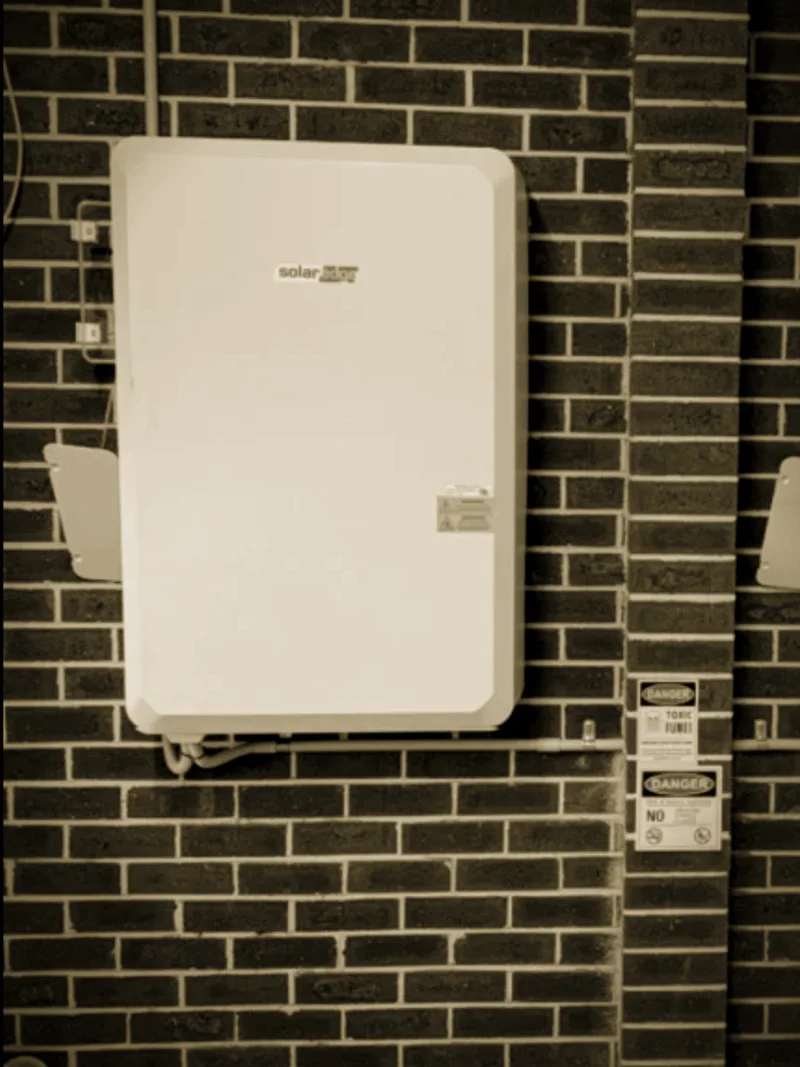
SolarEdge
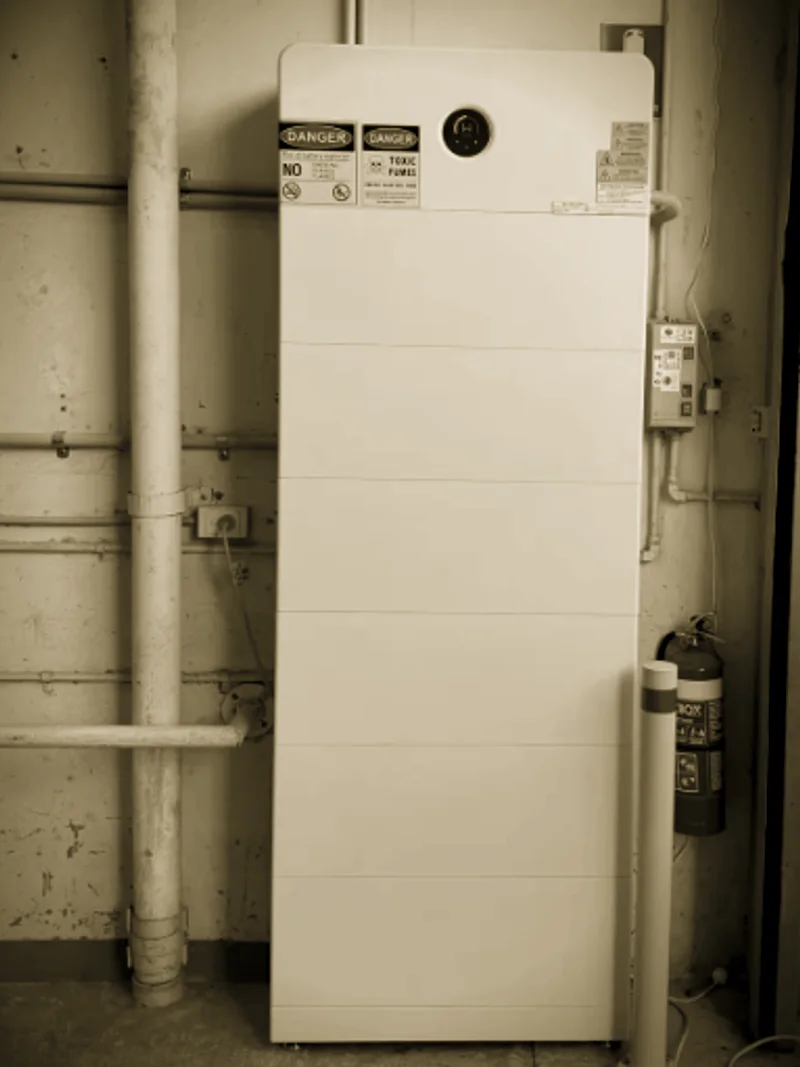
Whether your home wants a battery is something your bill can answer. It takes a couple of minutes to find out.
Start my project